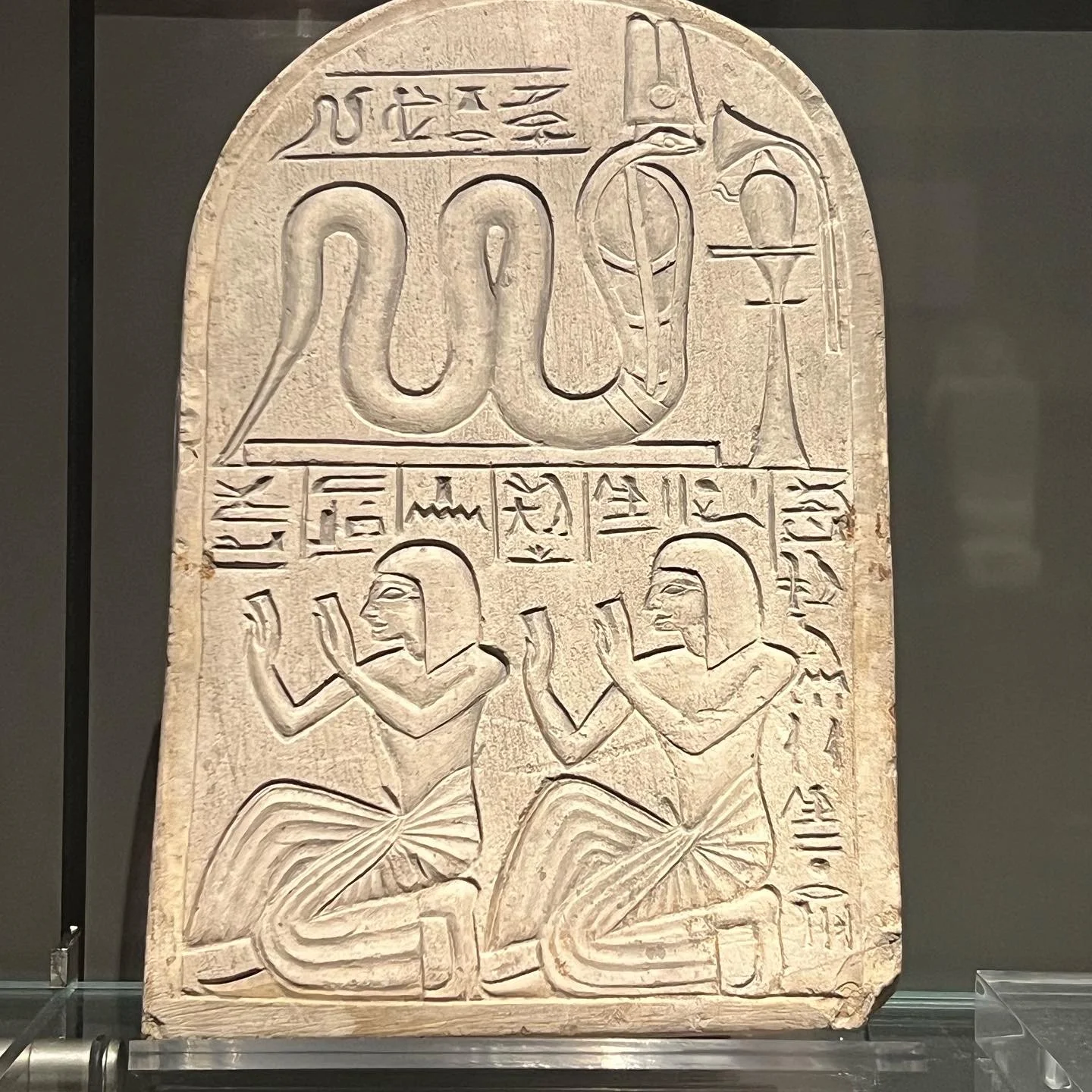
Ophiology
Ophiology is the systematic theological discipline through which the Ophidian Synodus interprets the Serpent as the primary mode of Divine self-manifestation. Whereas our doctrine presents the Serpent as Imago Dei in broad terms, Ophiology examines the deeper logic by which the Divine chooses metamorphosis as Its own language, revealing not merely that God transforms, but how and why transformation belongs to the Divine essence.
In Ophidian theology, the Serpent does not represent the Divine in a metaphorical or didactic sense. Its form expresses the ontological rhythm of God’s presence: a movement that proceeds by withdrawal, interruption, re-emergence, and transfiguration. The existence of the Serpent, silent, liminal, cyclic, and unbound by fixed shape, provides the most faithful symbolic structure for articulating a Divinity that cannot be circumscribed by permanence. For this reason, Ophiology regards the Serpent not as a mythic figure but as a theological grammar, the system of signs through which the Divine articulates Its action in the world.
Time itself becomes a theological category within this discipline. Ophiology does not merely observe spiral time as a spiritual intuition; it conceives this spirality as the temporal form of Divine action. Each return, each recurrence, each re-emergence of meaning is a gesture of the Divine passing through creation. The Serpent’s coiling and uncoiling express this temporal structure: contraction, concealment, revelation, extension. Ophiology thus understands the liturgical year of the Synodus as a participation in Divine temporality, not as a commemoration of past events.
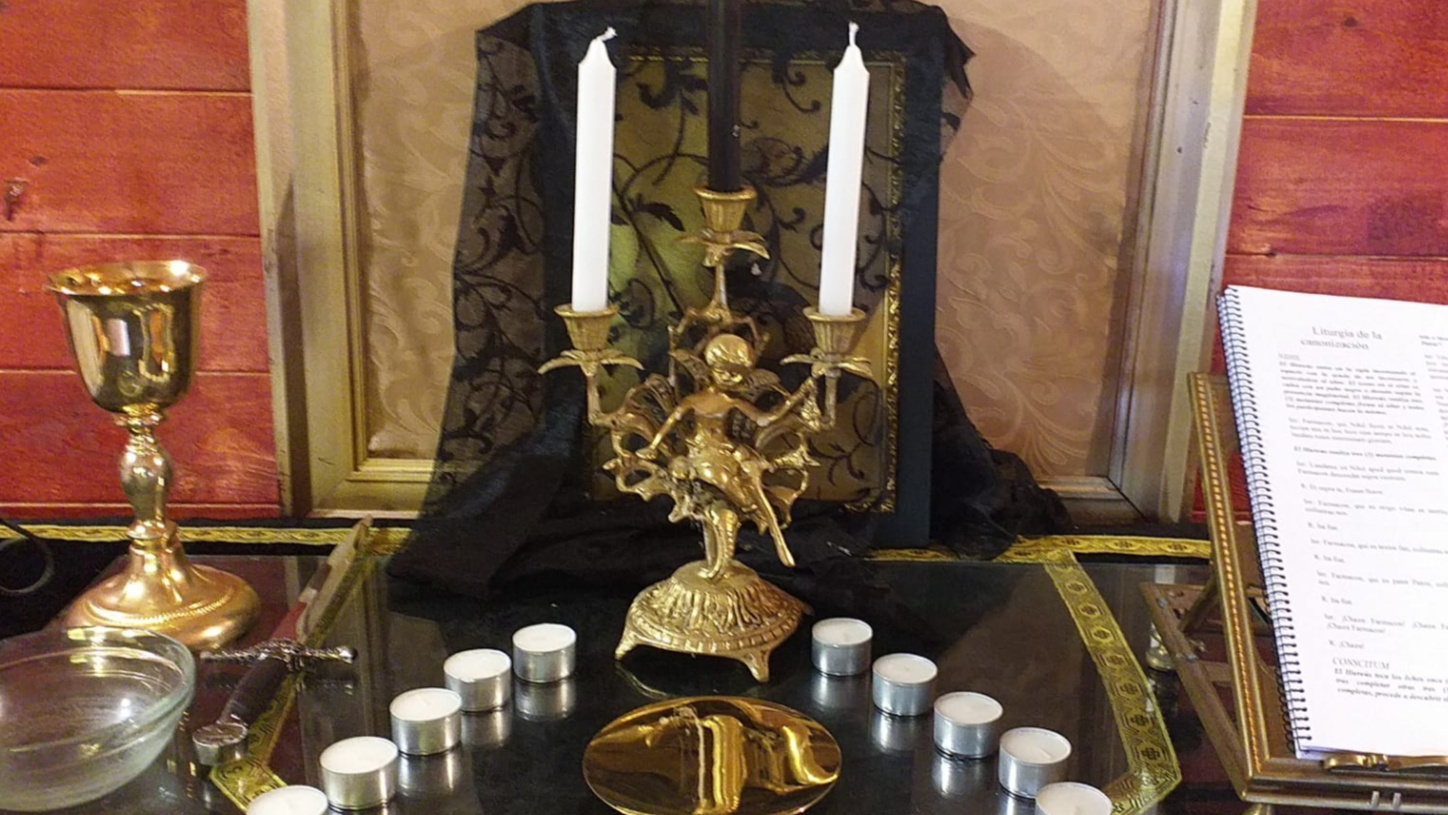
Ophiology and Liturgy
Within the Ierá, the serpentiform icon serves not simply as a symbol, but as a threshold of theological attention.
Ophiology distinguishes between the icon as material object and the gaze that renders it a locus of Divine presence. Veiling and unveiling, silence and proclamation, darkness and flame, all follow the theological insight that God is encountered within the interplay of manifestation and hiddenness.
This interplay is not aesthetic but doctrinal: the Divine reveals Itself by never revealing Itself completely.
“The task of Ophiology is therefore to articulate the structure of the Divine as disclosed through the figure of the Serpent. It formulates a theology in which God is understood as a transformative principle, where unity does not erase tension and transcendence does not negate immanence. In this sense Ophiology is the intellectual core of Ophidism: the discipline that seeks not to explain the Serpent, but to understand the Divine reality that chooses the Serpent as Its sign.