OPHIDISM
The theology of the Serpent.
WHAT IS OPHIDISM
Ophidism is not a religion as you are used to. Ophidism is a highly rational, speculative and philosophical spirituality which has managed to not abandon the fascination for the mystery and the ecstasis for the Divine in favour of a contemporary approach.
It offers no promises of salvation nor threats of damnation, but rather invites each individual to encounter the Divine through a conscious metamorphosis. To walk the Ophidian path means learning the logic of the Serpent: to relinquish what has hardened, to descend into the recesses of the earth, and to rise again into a new form.
Our task is not to reconstruct some kind of ancient cult, not to imitate contemporary spiritual trends, but to develop a vision of the Divine that can speak to contemporary men, without abandoning tradition. The theology that Ophidism attempts to build is born from study, contemplation and the recognition that God does not speak the language of stillness, but only the language of motion.
Ophidism exists to remind humanity that life is tension, that identities are fluid, and that truth is revealed not in stasis, but in transformation.
OUR SACRED IMAGES
-
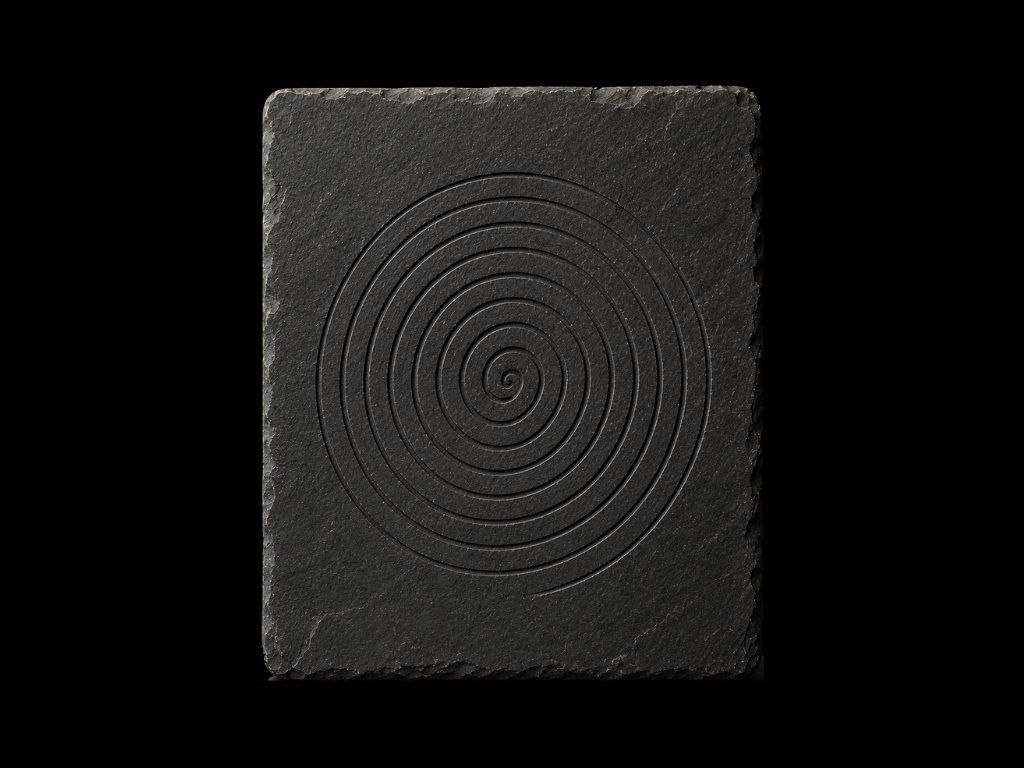
The Sacred Spiral
The Sacred Spiral is the principal symbol of the Ophidian tradition. Rather than depicting the Divine, it signifies the eternal movement through which all things proceed, are sustained, and ultimately return to their origin.
For this reason, the Spiral is the ordinary sign of personal devotion. It stands at the centre of the domestic altar, guiding contemplation without presenting a visible image of the Divine.
-
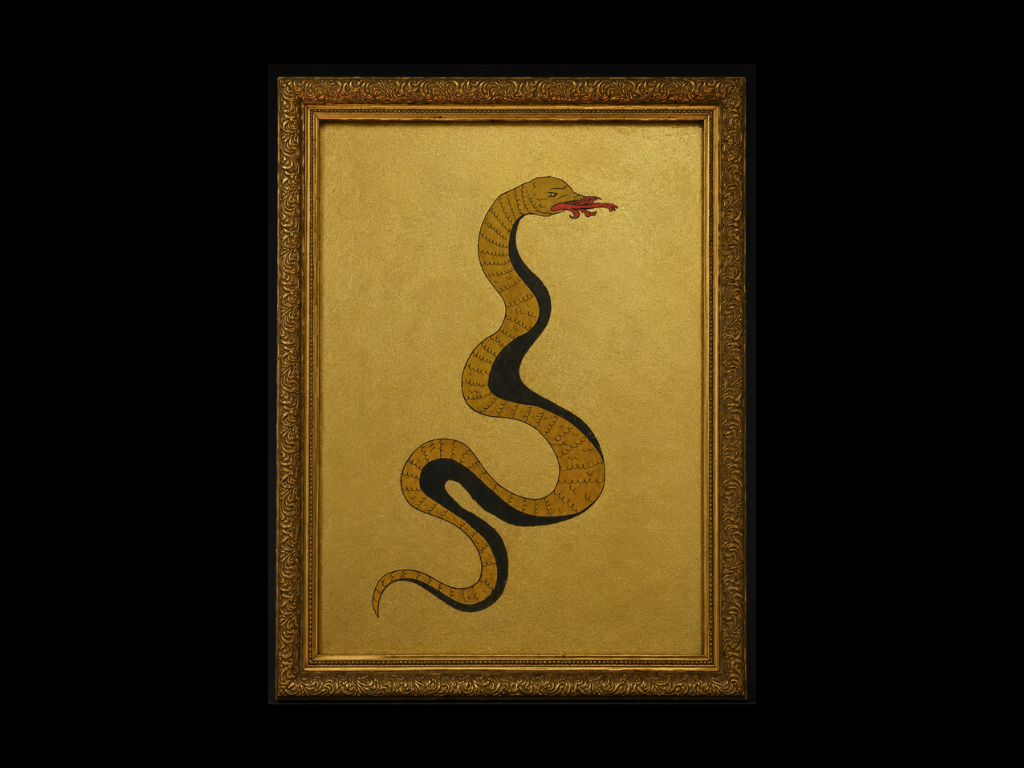
The Sacred Icon
The Sacred Icon presents the Serpent as the manifested Form of the Divine. Within the Ophidian tradition, it belongs to the liturgical life of the Synodus and to those admitted to its canonical practice.
Unlike the Sacred Spiral, which directs contemplation through a symbolic sign, the Sacred Icon manifests the Divine under its proper Form, serving as the focal point of the Synodus's sacred liturgy and institutional worship.
TWO PATHS TO REACH GOD
The Sacred Spiral and the Sacred Icon are not competing symbols, but complementary expressions of the same Divine Mystery. The Spiral invites contemplation of the eternal Motion through which all things come to be and return to their source; the Icon presents the Divine in its manifested Form. Together they guide the believer toward communion with the One through two inseparable dimensions of the Ophidian tradition.
Our core Values
OPHIOLOGY
Ophiology is the study of the symbolism of the Serpent within the Ophidian framework.
Within our research, the Serpent is not analysed only through an historical and symbolical lens, but also through a philosophical and theological one.
Throughout its whole history, the symbolism of the Serpent has been of fundamental importance for human religion. Being a symbol of eternity, forbidden knowledge, transformation and life force, the Serpent is interpreted, within the Ophidian tradition, as the one and true image Divine manifestation. Since our interpretation of God does not rely on the idea of statis, but on the idea of movement and transformation, the Serpent is the perfect embodiment for a God whose nature has nothing to share with the monotheistic idea of stillness.
Our researchers focus on analysing the symbolism of the Serpent from Biblical poetry to Greek traditions, from Roman religion to medieval times.
Our research focuses
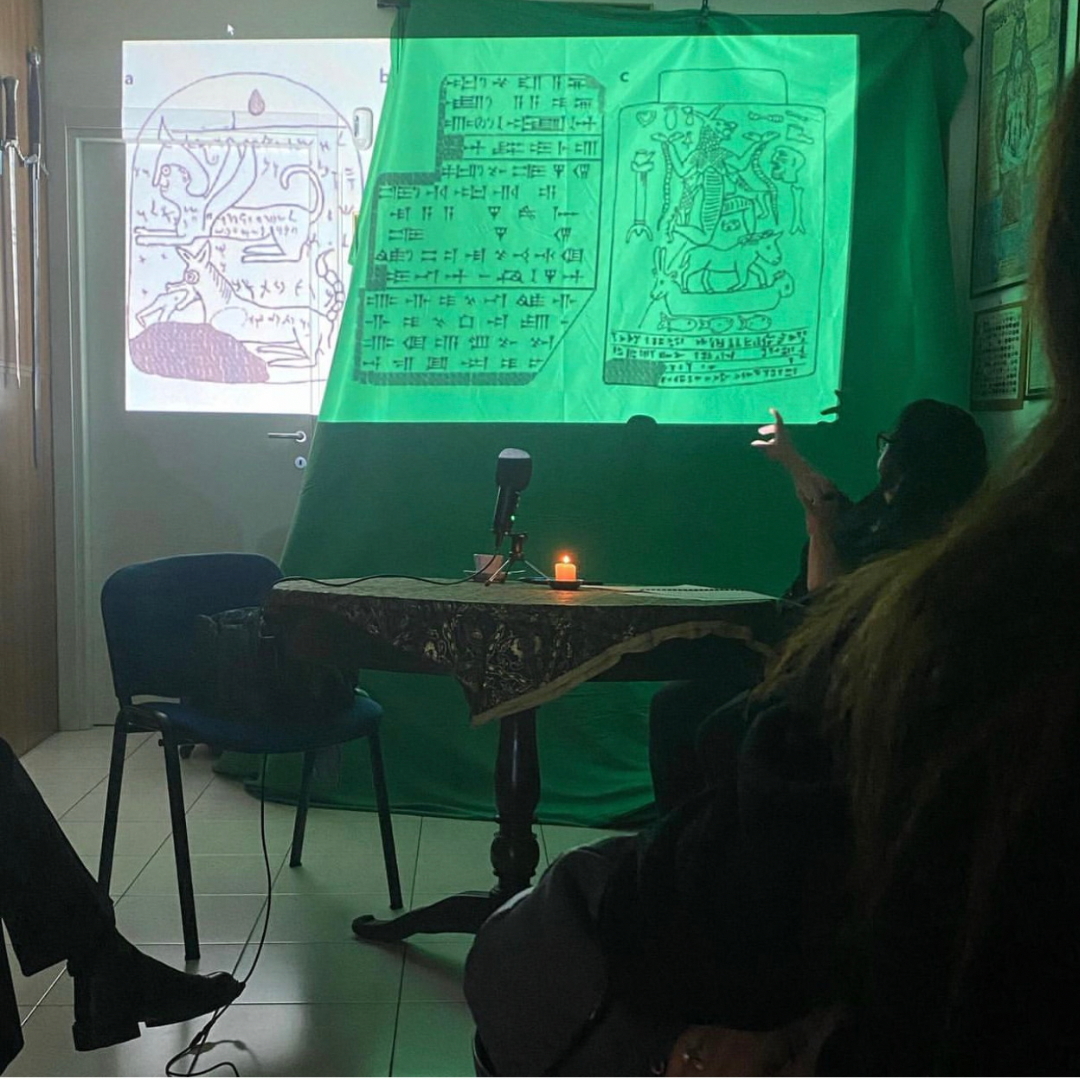
History of the Serpent
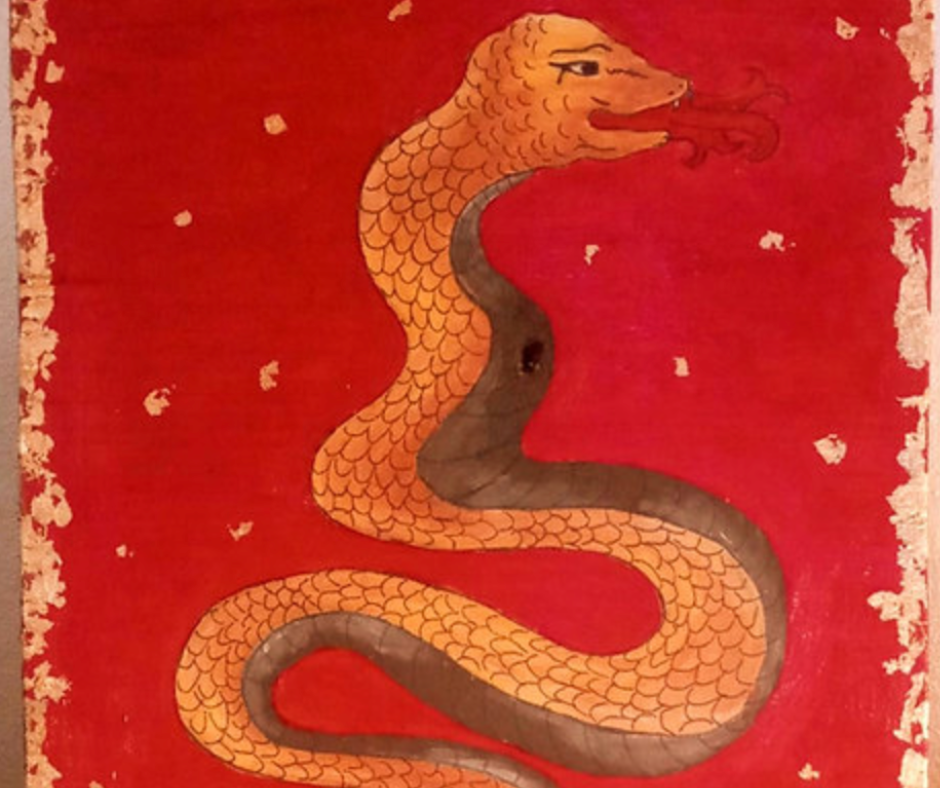
Ophidian Iconography
Classical Studies